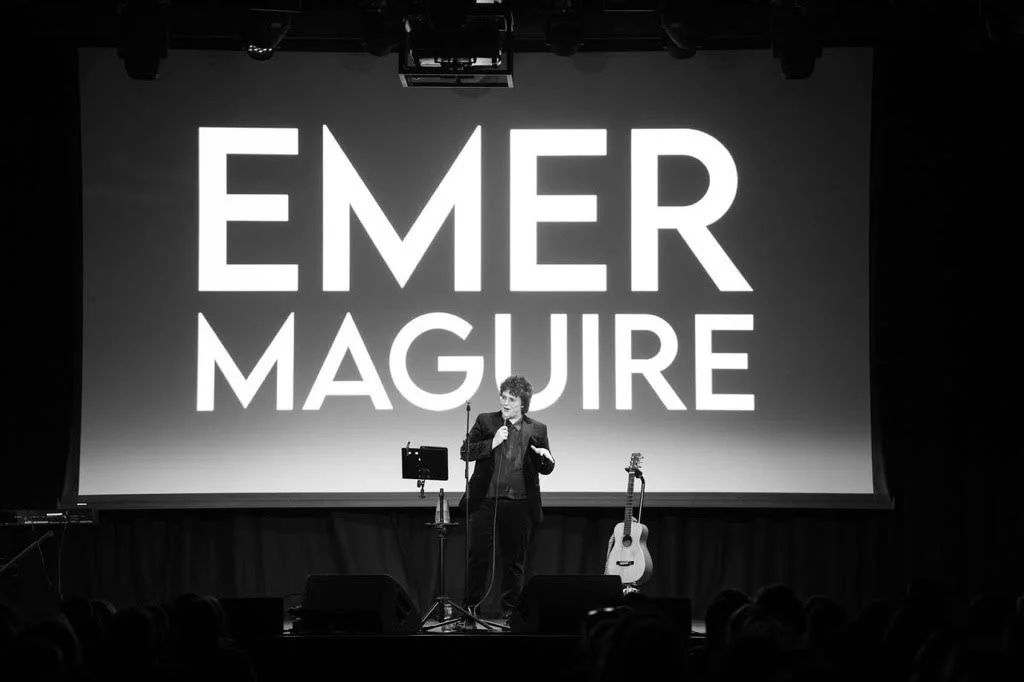
Emer Maguire
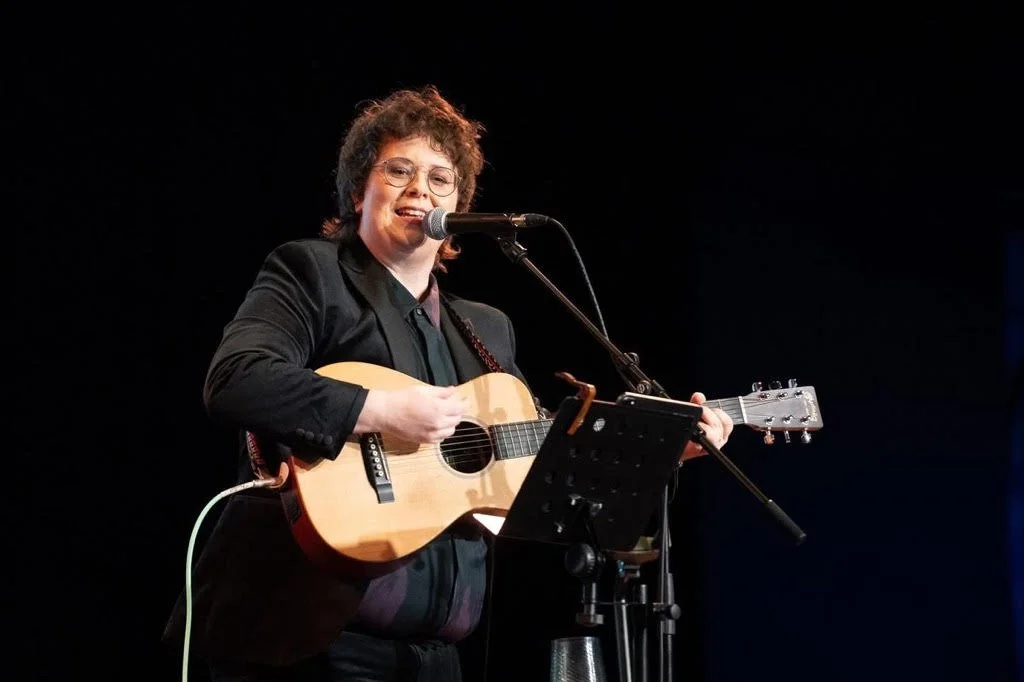
Emer Maguire is a comedian known for sharp storytelling, gloriously honest observations and is a musical comedy genius!
We first saw Emer at a charity gig at The Sunflower Bar and went in not knowing what to expect. We left with sore faces from laughing and a buffet of food for thought, gained from stories and songs that are spectacularly relatable.
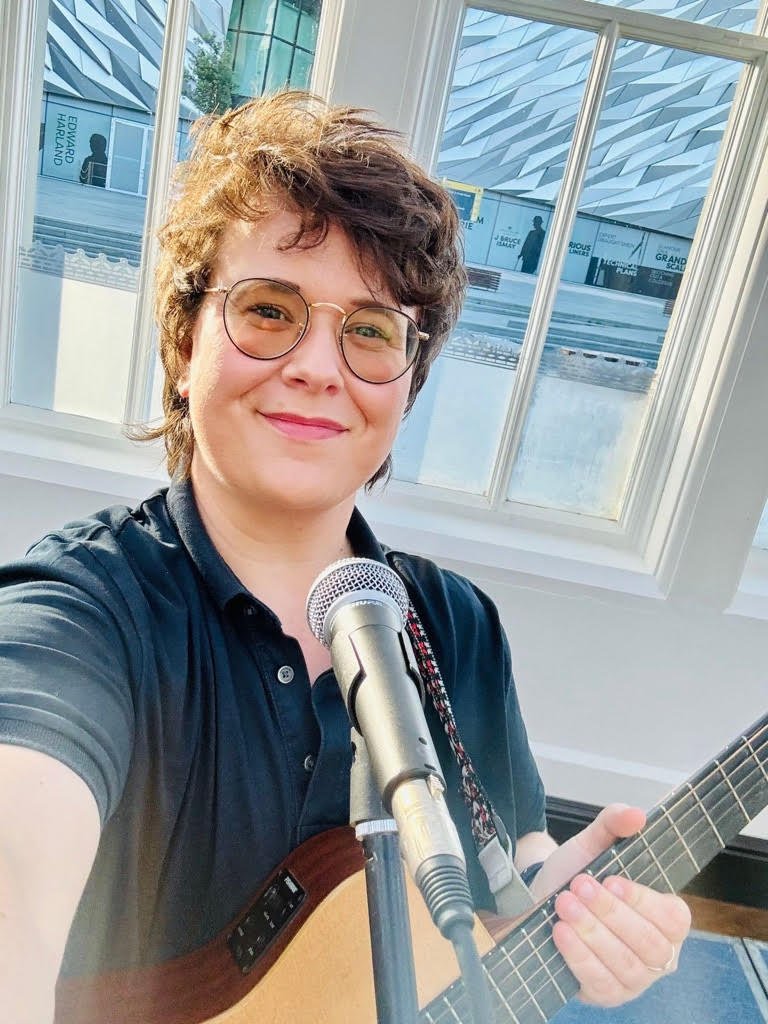
Your career so far has been beautifully eclectic, how have you gone from science and educator to selling out comedy shows?
That’s a long story! I started off as a Speech and Language Therapist and fell in love with science during my course. I went on then to study a Masters in Clinical Anatomy at Queens, where my love for science was well and truly cemented.
While I was studying that course, I entered a science communication competition where entrants had to explain a scientific concept in 3 minutes. I only entered as you got a free communication course if you did it! And I always had a hang up about my communication skills being weak.
I went on to win the competition and from there started doing science talks across the world to big audiences and presenting science shows for BBC. Along the way people started to say I was really funny, and started to accidentally call me a comedian. I never corrected them, and now here I am.
Science and being a comedian are an unusual mix, was there a moment when you realised you are hilarious, or has the gift always been with you?
I feel more that I’ve always used humour as a means of connection. I was a very shy child and I know now that’s because I was autistic. I really struggled to make friends. But over time, I realised people laughed when I was myself, which was someone quirky albeit blunt. And I learned that when people laughed they liked me. So I have used humour ever since to connect with people and it’s going pretty well so far
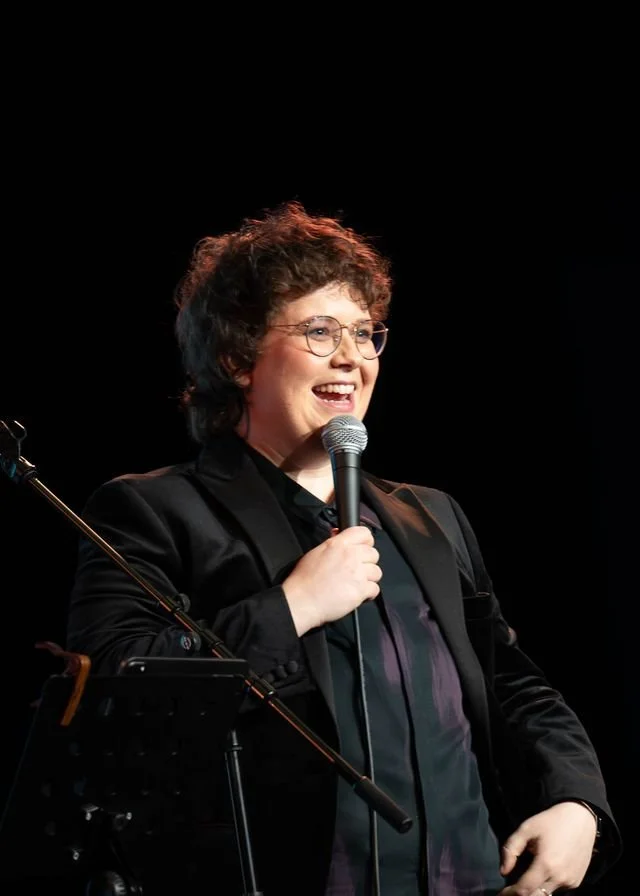
You’ve mentioned some of the problems that you see with the education system, apart from decision makers taking heed of ‘Useless Shit they Teach Us at School’, what do you think could be done better?
I’m no authority on this obviously, but I guess we all have our own ideas on how things could be done based on our own lived experiences. I found school very, very difficult.I can’t speak for others, but things that would have helped someone who was like me was more of a focus on inclusion–particularly educating other children and their families on different types of people.That would have helped me a lot, although I’m sure schools already do that these days.
For me,having a quiet place to go would have changed my entire school experience, as would have unlimited toilet trips! A lot of autistic people like myself find solitude in a quiet, single bathroom and sometimes in a school day it’s the only time you can actually recharge from all the chaos.Even not being so strict with things that don’t really matter. Let a kid ditch the jumper if they can’t stand it. Who cares if someone is wearing the wrong shoes. I couldn’t do my top button at school independently and I was always so embarrassed when teachers would tell me off about it.
It has been said that you’ve perfectly described what it’s like to live life as an Autistic person through your music; and as a co creator of Autism in Focus, are a spokesperson for many. Do you feel a sense of responsibility around this, or do you think this is a bi-product of you living as your best authentic self?
To be honest I do feel a sense of responsibility because of an experience I had a couple of years ago. I was at an event for school students, girls about aged 14 on International Women’s Day. I hadn’t spoken publicly about being autistic at that point. I didn’t want people to know as I didn’t want anyone to treat me different. But at that event, the girls were so wonderful and inquisitive and the subject of neurodiversity came up. So I said in passing I was autistic. The world didn’t end. The only thing that happened was a young girl put up her hand, said she was autistic too, and asked me a question.
When I was finished speaking on stage, a teacher came up to me and said did I remember the pupil that asked the question? I said yes of course. She told me it was the first time that pupil had ever raised her hand and spoke. Ever. In that moment I realised how important it is to show young people, particularly girls, that autistic people exist out in the world, and can be on stage or be whatever they want. Soon after I started being very open about being autistic, and it’s the best decision I ever made. Barely a day goes by that I don’t get a message from a parent or autistic person telling me how much it means to see themselves in my work
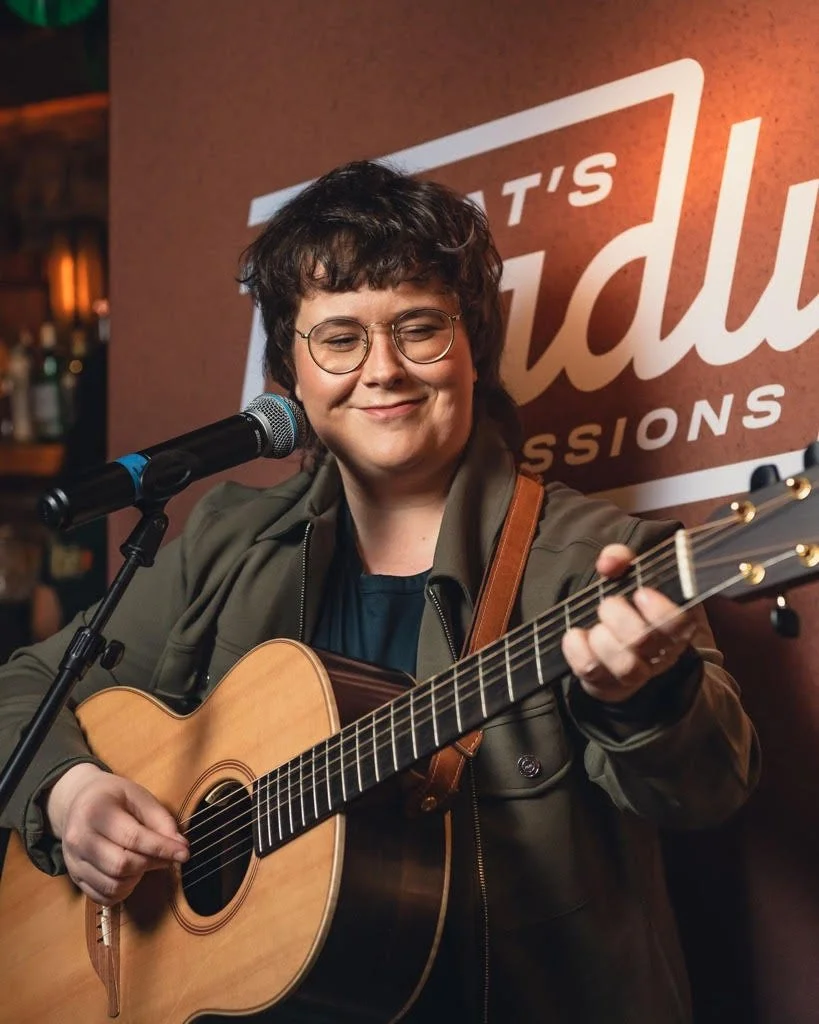
Following on from that, you stand up for many issues like the importance of live grassroots music and of course LGBTQIA rights. How did you find your interview with Kate Nash at the Oh Yeah Centre in August, and what are your most valued moments from it?
It was amazing interviewing Kate Nash. She was huge when I was 16 and I was an instant fan of hers like millions of others when I first heard her hit Foundations. She’s a fantastic songwriter and performer. But more than that, she is a huge activist and ally. Her recent release GERM is an anthemic wonder standing up for trans rights. I greatly admire her – she is putting herself out there and standing up for others not because she is trans but because it is the right thing to do.
I admire people who do the right thing, especially in the face of adversity. There were so many valuable moments from my interview with her, it’s hard to choose. I loved learning things about her I didn’t know, and it was of great value to hear about her often difficult journey in music as someone who suddenly at 18 was a global star.
Hearing the dark side of that life of course isn’t nice to hear but it serves as a stark reminder that things are not always as they seem, and that people as big and talented as Kate Nash are just people like the rest of us at the end of the day. I also found it very inspirational hearing how she has taken to other means to raise money for albums and tours in the day of streaming services not paying artists properly. And of course her total dedication to LGBTQIA activism really impacted me and I actually found it quite emotional to hear someone who is just standing up for you because it’s right. I left that interview thinking that Kate Nash is a very, very good person and left with the utmost respect for her.
And yes as for the other part of your question, as you say, I do indeed stand up for many issues like the importance of grassroots live music venues and LGBTQIA rights. I just think if you have any kind of platform, why wouldn’t you use that to platform others too and stand up for what you believe in? As a gay person, LGBTQIA rights in particularly are hugely important to me and I believe as a person in the community with my platform, it is my duty to stand up for myself and others in a world where there is toxicity and hatred against us.
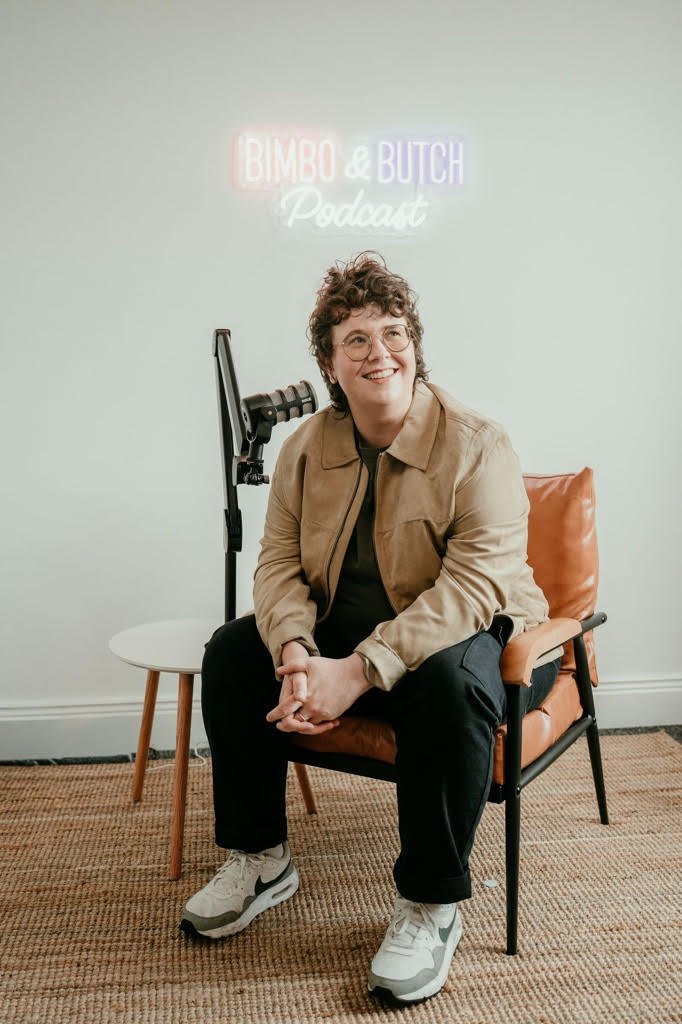
Your new podcast Bimbo and Butch with Jena McCusker has just launched, can you tell us more about how that came about and what the plans are for it?
Yes! It has been out a month now and the response to it has honestly been phenomenal, I can’tbelieve it. Jenna and I only met in March 2025. I was in Derry hosting an event for International Women’s Day, and Jenna was on one of the panels I was hosting. Somewhere through the course of the day we both realised we had diagnoses of OCD–and we had both never met another person with an actual diagnosis and severe OCD! We clicked instantly, and Jenna asked me to be a guest on her Mental Health and Me podcast.
On the podcast, we got on like a house onfire. Shortly after we both said to each other“should we....do a podcast together?!” We have somuch fun and craic together and honestly can barely get through a conversation togetherwithout laughing. We thought Bimbo and Butch would be a great name because physically we are so different–Jenna is tall and blond and very, shall we say, mainstream looking, and I’ve a mullet and tattoos and I’m a masc gay person–hence Bimbo and Butch was born! We have big, big plans for it. It is growing so quickly and the feedback is incredible. We’re rated 5 stars on Apple Podcasts and Spotify, our following is growing all the time, and we’ve already been guests on other podcasts and radio shows together. We are hoping to do a live show in no time...watch this space!
What advice would you offer anyone who feels a bit different and is a little bit scared to show their authentic self or start on a creative project?
Different is good. I always knew I was different. And I guess I am in many ways, and have always felt a bit of an outsider. Whether it was people joking about me being from Strabane (Strabane is fantastic by the way), or me being gay, me being autistic, me never bending to social norms in terms of how I dress or what I’m interested in etc. I was different. And I used to try and hide as a kid so no one would notice. But I was never going to be anything other than different, so I eventually embraced it.
Being different is special. It makes you interesting. Who wants to be the same as everyone else anyway? It’s boring! SO embrace your difference. Find your own niche or use your quirks and find work or a hobby or an interest that suits you. As a kid my favourite hobby was sitting in my room on my own writing songs. As an adult, I’m a musical comedian who...sits in my room and writes songs. And I LOVE it. If you’re apprehensive about starting a creative project I have only one piece of advice–just do it. If it doesn’t work out, who cares–better to try than never know.
In summary–be yourself. Be different. And always give it a go!