Amita
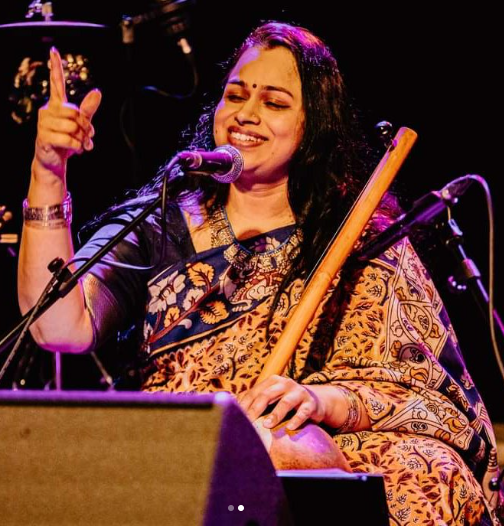
Amita Ravikirana is a folk vocalist, playback singer, and cultural researcher
from the southern part of Karnataka, India, now based in Northern Ireland. Her artistic journey is rooted in unearthing and reviving forgotten Kannada folk songs—particularly those passed down through women in weddings, childbirth, rituals, and everyday village life.
With a gold medal in her master’s degree in Folklore, Amita combines academic insight with emotional depth in her performance. Her work explores themes of womanhood, memory, nature, and devotion, bringing a rare authenticity to stages and storytelling spaces. She sings in Kannada, her mother tongue, and uses traditional instruments like the ektaara, with which she has developed a deep personal connection.
Listen to her here while you read Amita’s interview.
When I first heard your music I was absolutely entranced, and mesmerised, I would recommend that everyone should listen to your work at least once. Please could you describe your music?
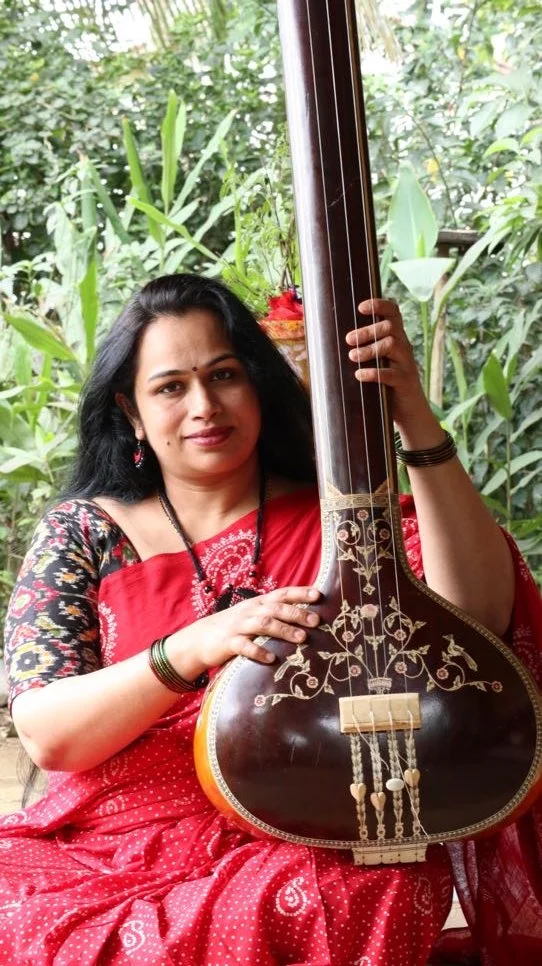
I hail from the southern part of India and have been residing in Northern Ireland for the past 15 years. My formal training began in Indian classical music, where I studied Hindustani classical music for many years, including the Gurukul system. However, my passion took a new direction during my master's in Folklore and Heritage. Through fieldwork and the rich oral traditions of my homeland, I discovered and embraced these folk songs that had been passed down through generations.
Today, I sing these cherished, often forgotten folk melodies accompanied by my one-stringed instrument, bringing their soulful essence to contemporary audiences. These songs, never written down but passed from mouth to mouth, are a testament to the vibrant cultural heritage of my land. Through my performances, I aim to ensure these songs are remembered, cherished, and celebrated by new generations.
When did you first start playing music?
I honestly don't remember a time when I wasn't involved in music. From my earliest memories, I was already singing on stage alongside elders, participating in group performances. My parents often took me to temples and musical gatherings, and I was immersed in that environment from a very young age. Without even realizing it, I inherited this musical gift from my family-my parents, uncles, and maternal aunts all played a significant role in nurturing my passion. It was as if music was woven into the fabric of my life, and my parents recognized and encouraged my talent from the very start.
What was the defining moment for you where you knew you wanted to perform?
For me, the journey into music and performance was incredibly organic. It wasn't something I consciously planned; it just unfolded naturally, like breathing or eating. From a very young age, I found myself on stage, performing without even realizing it. Back in India, I was deeply involved in the arts, participating in numerous TV reality shows and competitions. I even became a finalist on the renowned musical reality show, Zee Sa Re Ga Ma Pa, where I ranked among the top five singers. It was truly a beautiful journey that unfolded on its own, and I'm grateful for how naturally it evolved.
You play traditional instruments, please can you describe them and why they are so significant to your art?
Back in India, it was always easy to find accompanists for my performances, and I never faced any difficulty in finding musicians to collaborate with. However, when I moved to Northern Ireland, it became a bit challenging to find the right accompaniment for Indian music. During that time, I had to adapt and find new ways to keep my music alive.
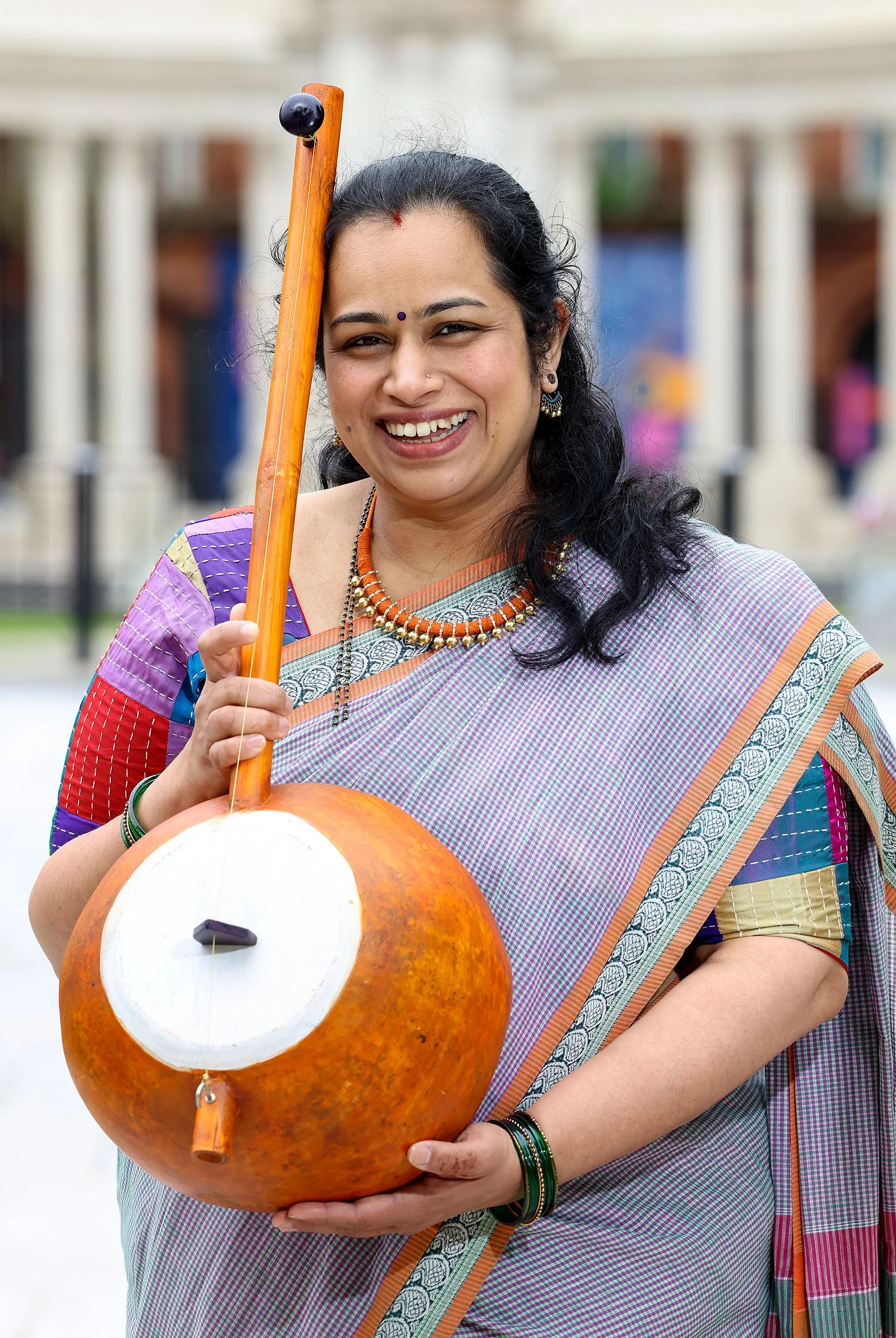
Then, when the lockdown came, everything went silent, and I found myself with plenty of time to reflect and practice. It was during that period that I remembered my old friend, the ektaara, the one-string instrument I used to play in college.
It felt like reconnecting with a long-lost companion. As I began to sing with the ektaara once again, it brought a sense of joy and familiarity. Now, it feels like my best friend, and it allows me to express my own songs and tell stories in a deeply personal way. The lockdown truly helped me rediscover myself and my music.
Where do you draw your inspiration from?
For me, singing is like meditation. I have a vast collection of songs, and I've been deeply inspired by folk artists who sing not for applause or recognition, but purely to express themselves. They sing to release their weariness, to restore calm, and to preserve community values and traditions. When I listen to these songs, it gives profound meaning to my life and makes me realize the treasure I hold. Even if opportunities to perform these forgotten songs are limited, I am determined to bring them to new generations and make them a natural part of today's world.
Your work holds a certain responsibility to pass on the folklore and traditions of your family, culture and ancestors. Is this very important to you and your creative process?
While the folk songs I perform aren't directly from my family, they are deeply rooted in my society, my town, and my state. Our region is vast, with many languages and countless dialects, and I've gathered these songs over time, noting them in my diary. It's a significant responsibility to present these songs authentically, especially in a world where folk music can sometimes become commercialized.
As someone who has studied folklore, I understand the deeper meanings and contexts of these songs. I can imagine their origins and enrich them with the knowledge I have, ensuring they are preserved and shared with integrity. It's a profound responsibility because I hold a precious cultural treasure, and if not handled carefully, it could be lost to time. This commitment to authenticity and preservation is central to my creative process and deeply important to me.
Do you feel a sense of responsibility to keep history alive and bring it into the present day?
Absolutely, I do feel a profound sense of responsibility to keep this history alive. Living far from my birthplace, where I first learned these songs, presents its own challenges. These songs thrive through performance and participation, not merely by being archived. It's vital that younger generations learn and perform them during rituals, celebrations, and daily life. Many of these folk songs are action-oriented, tied to specific activities like pounding grain or churning butter. Without these accompanying actions, the songs risk fading away.
Therefore, it's crucial to create opportunities for these performances, whether on stage or in community settings, so that people can keep hearing and engaging with them. This responsibility is indeed immense, and I am constantly seeking ways to fulfill it and ensure these traditions endure.
What advice would you give to someone starting out in a similar career?
My advice would be to approach this journey with constant research, genuine love, and a deep interest. It's not about business or making money. Often, we might not even find a large audience, and that's okay. It's important to remember that these songs must be treated with care and respect, almost like they're your own children. They found their way to you in a special manner, and with love and dedication, they will continue to find their way to others. So, treat them as your own, nurture them, and remain patient. In the end, it's that genuine passion that makes all the difference.
Apart from music, you are a fantastic nature photographer, how else do you release your creativity?
I'm fortunate that my parents always gave me the freedom to explore my creativity. I've always been very craft-oriented and enjoy many artistic pursuits - from henna and traditional Indian crafts to embroidery. Photography is another passion that allows me to capture the quiet beauty of nature. I also love cooking and baking, and I teach Indian cookery classes where I share both recipes and cultural stories. Writing is another outlet for me - I contribute articles and reflections to Indian Kannada magazines, where I often write about my life in Northern Ireland, nature, Irish folklore, and the connections I find between cultures.
What are your plans for your music and artistic career in the future? Where can we see you perform next?
I've discovered through my research and to document the rich stories and traditions that surround them. While anyone can sing these songs, it's the stories and the cultural context that truly bring them to life, and that's what I aim to preserve. I'm also excited to create special projects around lullabies, exploring the unique themes and emotions that each one conveys. Every lullaby reflects the life and experiences of the singer and the community.
As for performances, I'm still in the process of finding the right venues and audiences who truly appreciate both the songs and their stories. I'm passionate about bringing these traditions to life on stage. Though I don't have a set performance date yet, I'll definitely keep everyone updated as opportunities arise.
Follow Amita on Instagram here
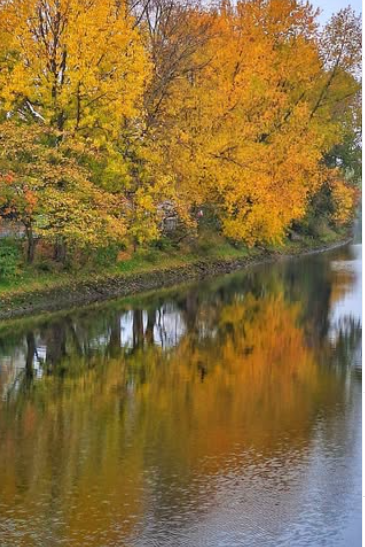
Balancing Creative Pursuits
I don't find it difficult to balance my passions because I truly love each of them. Even with just 24 hours in a day, passion naturally creates space for itself. For instance, photography is another avenue where I immerse myself in the changing seasons. I make time for quiet walks, capturing the perfect light and soaking in the atmosphere, and that process energizes me and fuels my creativity. This joy and inspiration motivate me to continue exploring all my creative pursuits. Every task, whether it's music, cooking, writing, or photography, becomes a source of fulfillment and balance.